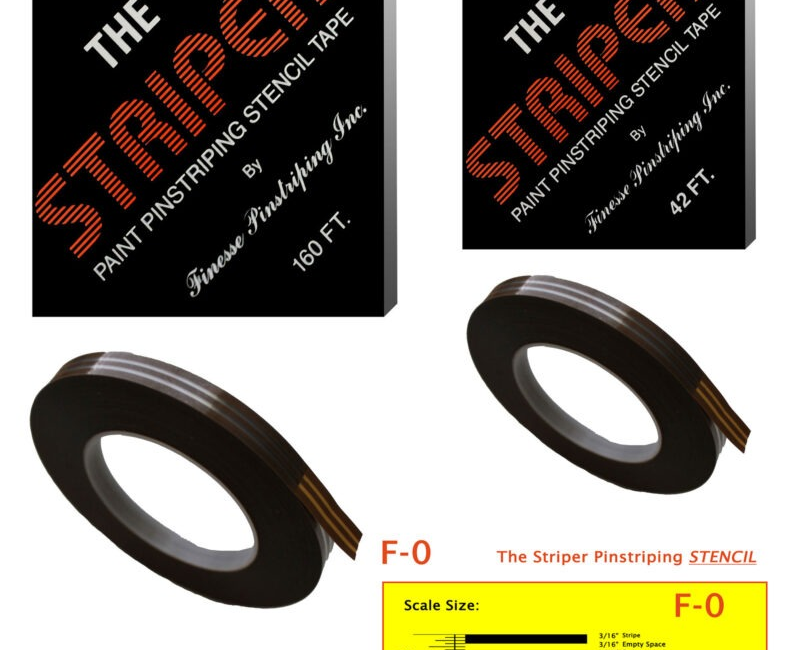
In order to enhance the appearance of your vehicle with elegance and precision, selecting and applying the appropriate Vinyl striping tape is among the best methods to get an elegant finish. Detailers of autos depend heavily on top-quality striping materials that give clean lines, emphasize the curves and produce eye-catching unique designs. The key to long-lasting, flawless results lies in understanding tape quality, surface preparation techniques, application methods, and long-term maintenance–especially as vinyl technology continues to evolve with stronger adhesives and UV-resistant materials.
The quality of the material is crucial in professional striping. The modern versions of striping tape for vinyl are designed to provide better tensile strength as well as greater flexibility. The latest automotive-grade vinyl films typically utilize calendered, or high-performance cast PVC that keeps its shape when it’s applied to curvy surfaces. Cast vinyl generally performs better in long-term use since it doesn’t shrink nearly in the same way as the calendered variety. It also affects the thickness as the majority of professional striping tapes are between 2.0 to 3.5 millimeters (0.05-0.09 millimeters) with the flexibility needed to design complicated vehicle contours, without tears or warping in the process of construction. Repositionable, high-tack adhesives are now standard on top quality tapes. They ensure smooth placement and allowing for minor adjustments when the layout.
Surface preparation is the most important aspect that determines if the striping process lasts for months or even years. Before installing, each surface is thoroughly cleaned as well as degreased and dried. Detailers typically use isopropyl alcohol solutions for removing the wax, oil polish residue or silicone which could hinder adhesive. Also, temperature plays a role: the majority of companies recommend using vinyl between 15 and 30 degrees Celsius to ensure the best adhesion. Cold temperatures can stiffen the material, whereas excessive temperatures make handling more difficult due to melting the vinyl. This range of temperatures also guarantees that the adhesive is activated properly and allows the tape to form easily without causing bubbles or lift.
Correct application methods can dramatically make a difference in the look and appearance that the strips get. Some professionals will stretch their vinyl only slightly so as to minimize shrinkage in the future or edge lift. Instead, they use the controlled use of heat and pressure–usually with a heater that is between 90 and 110 degC to create postsheating curvatures–to secure the adhesive to its the desired position. Post-heating is crucial for parts like doors, handles, as well as sharp recesses in which vinyl can loosen over the course of. A squeegee encased with soft felt can help reduce air pockets, while also avoiding scratching on the surface of vinyl. Since modern adhesives bond much more quickly in the initial 24 hours, detailing professionals typically refrain from washing or waxing their vehicle in that time frame to ensure that the bond completely is formed.
The long-term durability of vinyl striping tape does not rely only upon the location of installation, but also the composition of the tape. The highest-quality vinyl films contain UV inhibitors, which protect the colours from fade under sunlight exposure. Outdoor-grade adhesives can withstand rain, temperature, and moisture that are crucial in areas that have extreme temperatures or winter cold. Certain tapes are specifically designed to be used in high-moisture and marine conditions, whereas automotive-specific versions have better resistance to scratches and superior adhesion to painted metal surfaces. Detailers that frequently work on ceramic-coated vehicles should choose the right tapes for hydrophobic surfaces as certain adhesives are difficult to adhere to slippery coats.
Maintaining the strip is a crucial aspect to prolong the life of your strip. After striping is applied, it should be gently cleaned using pH neutral shampoos. The use of rough or abrasive cleaners could dull the surface of vinyl as time passes. Applying wax around the stripes instead than directly over them will help to prevent the buildup of dust at the edges. If the stripe requires removal Heating the vinyl gently will soften the adhesive and allow the tape to be removed completely without causing damage to the paint. Alcohol and adhesive removers may be utilized to remove the leftover.
Professionally-applied stripes last between five and seven years, based on the grade of tape along with the weather and routine maintenance. The constant advancement in techniques for using vinyl, like air-egress channels to ensure a bubble-free application and a more durable fade resistance auto detailing professionals now have more equipment to produce sharp, durable designs without a doubt. The knowledge of these materials and methods will ensure that every design has an attractive finish which complements the overall design. Professionals remain abreast of the latest advances and developments to achieve the most effective results using vinyl striping tape.
FAQs About Our Vinyl Striping Support Services
1. Do you provide guidance on selecting the right vinyl for professional striping?
Yes, we help detailers choose the most suitable vinyl based on surface type, climate, durability needs, and design style.
2. Can you assist with technical application methods for beginners?
We offer easy-to-follow, expert-backed instructions to help beginners achieve clean lines, strong adhesion, and bubble-free results.
3. Do you review project requirements and recommend advanced installation techniques?
Absolutely, we advise on temperature control, post-heating, and surface prep to ensure a long-lasting professional finish.
4. Can you help troubleshoot issues like peeling or vinyl shrinkage?
Yes, we assist in identifying the root causes—such as improper prep or excessive stretching—and guide you on how to prevent them.
5. Do you offer ongoing support for detailers looking to upgrade their striping quality?
We are available to provide continued tips, updates, and best practices so professionals can stay aligned with the latest industry standards.