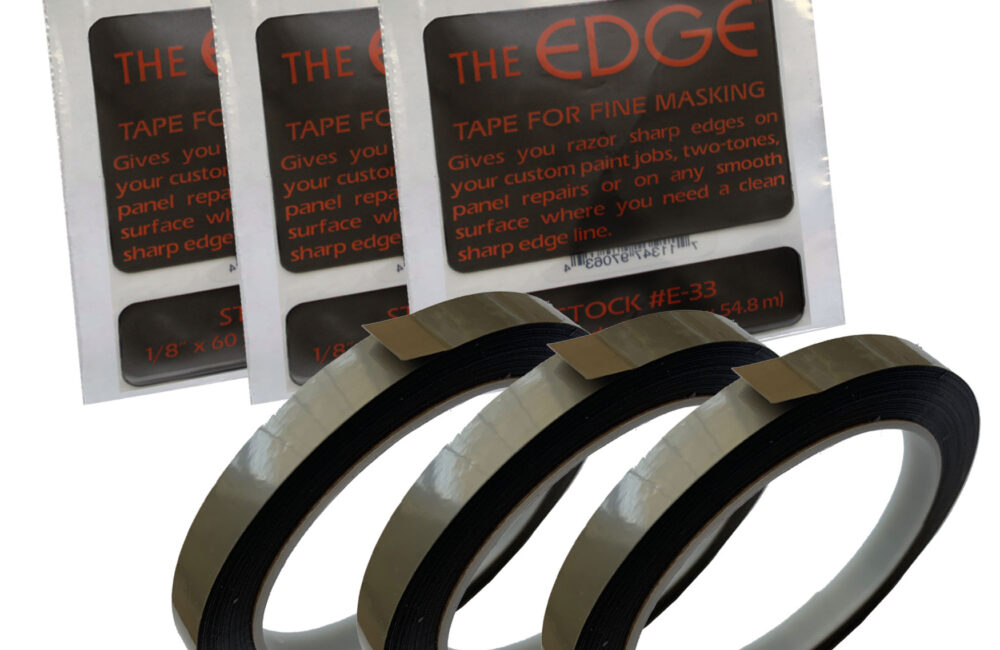
Professional detailing of vehicles, having sharp, clean lines, is crucial to both aesthetics and longevity. One of the most crucial tools utilized by detailers and custom painters is pinstriping tape, which permits exact masking and consistent design work on a variety of surfaces. When working on a custom paint job, wraps of vinyl, or complex detailing, knowing how the tape works will greatly improve outcomes.
What Is Fine Line Tape and Why It Matter
Fine line tape can be described as a special masking tape made to provide sharp edges of paint without bleeding. In contrast to standard masking tapes made of elastic materials like vinyl or plastic, which can be easily adapted to curves and intricate forms. This makes it perfect for detailing in automobiles, as the body panels typically have contours that require precision.
Professional detailers depend on this tape since it provides a clear separation of colours and also helps protect the surfaces surrounding them when painting. For high-end automotive work even small imperfections are visible, and so the right tape is crucial for maintaining the professional look.
Key Features That Set It Apart
The efficiency that fine line tape has is derived from its appearance and quality. It provides strong adhesion with no residue left behind, which is crucial when working with sensitive automotive paint. It is also impervious to solvents and high temperatures, which makes it ideal for baking and spray painting.
Another feature that is important feature is the definition of its edges. The tape is designed to stop paint from leaking under this common problem with inferior products. This makes sure that lines stay crisp and clear even when working with detailed or multi-layered designs.
Applications in Professional Automotive Detailing
Fine line tape can be commonly utilized in custom automotive projects that include two-tone paint designs, racing stripes as well as elaborate pinstriping patterns. It’s also used in vinyl wrapping to define edges and create smooth seamless transitions from panels.
Our services include professional automotive services we often employ this tape on projects that require precise detail. For example, when we design customized graphics for a vehicle it is possible to precisely follow the lines of the body, guaranteeing that the final product is smooth and factory-finished. This degree of precision is particularly important to clients who want high-end customized outcomes.
Choosing the Right Tape for Your Project
The best type of tape will depend on the particular task of detailing. The width is a key factor when it comes to choosing the right tape, since narrower ones are more suitable for intricate designs, while larger options work better for large areas of masking. Flexibility is an additional important aspect to think about, particularly when working with curved surfaces or complicated forms.
Durability is also a factor to take into consideration. Quality tapes are able to remain intact through the removal and painting process, thus reducing the chance of causing scratches to the surface. For professionals who detail, investing in quality materials is crucial to ensure consistency and conformity with the standards of the industry.
Best Practices for Using Fine Line Tape
Correct application techniques are equally crucial just as applying the tape. Surfaces must be cleaned and free of grease and dust prior to placing the tape. This will ensure a strong bond and avoids lifting during painting.
Applying constant pressure along the edges can help form an effective seal. This is essential to prevent bleeding of the paint. It is important for the tape to be removed in the correct time, generally prior to the time when the paint has dried. This will reduce the chance of damaging or peeling off the final design.
When you are working on an intricate automotive project, using the right pinstriping tape will make the difference between a standard outcome and a high-end finish. Expert detailers know that precise tools and the right method go hand-in-hand.
Common Mistakes to Avoid
A frequent error is using masking tape instead of using fine line tape to complete the work. This can result in irregular edges, as well as paint bleeding that can affect your overall design work.
Another problem is applying tape to surfaces that are not prepared. Even the best tape can fail if the surface has been damaged, leading to uneven lines and poor adhesion. In the process of removal, rushing it could also cause damage to the paint, particularly if the tape is removed too quickly or at an improper angle.
Professional detailers avoid these errors by adhering to standard best practices and using products specifically designed for automobile applications.
Industry Standards and Professional Insight
In the industry of automotive detailing, accuracy and precision are not a matter of debate. Quality materials, such as fine-line tape, are the standard equipment for professionals looking to provide solid results. The majority of manufacturers develop these tapes in order to meet the strictest specifications for performance, making sure they are able to withstand the rigors of automobile environments.
Based on our experience in the field of professional automotive services, we know that attention to the smallest of details is what makes top-quality work apart. The clients often find the tiniest defects, and that’s why having the right methods and tools is vital for maintaining trust and providing consistently high-quality service.
Conclusion
Line tape with fine lines plays a vital part in achieving clear and precise results when it comes to automotive detailing. From custom-designed designs to masking, it is able to support an array of tasks that require precision and reliability. Knowing how to choose and apply the appropriate materials will result in better results and lasting results. For those who want expert-grade precision and workmanship Working with experts like Finesse Pinstriping ensures that every application of pinstriping tape is in line with the highest standards.
Frequently Asked Questions
Q. What can fine line tape be employed for in detailing automotive vehicles?
A. Fine line tape can be utilized to make sharp, clear edges when detailing or painting cars. It prevents paint bleeding and provides precise lines making it a must for bespoke designs, striping and professional finishing.
Q. What is the difference between pinstriping tape and from ordinary masking tape pinstriping tape?
A. It’s more flexible and is designed to facilitate precise work. It is easy to follow curves and has sharper edges with no bleeding paint unlike regular masking tape, which is better suited to general coverage of the surface.
Q. Fine line tape can be applied to curves?
A. Yes fine line tape has been specifically designed to work with curves and complicated forms. Its elasticity allows it to easily conform to the contours of vehicles, which ensures the same and precise results.
Q. What is the best time to take off fine line tape following painting?
A. Fine line tape should be removed prior to the time when the paint is fully cured. This will prevent peeling and injury to edges. This ensures an elegant and professional finish, while not lifting the paint.
Q. Fine line tape leaves the residue of car paint?
A. Fine line tape of high-quality is specifically designed to cleanly remove paint without leaving any residue. It helps protect the paint surface while ensuring the strength of adhesion, which makes it safe to use on paint for cars in the right way.